
- Introduction to Solar-Powered Lighting
- Key Advantages of Solar Street Lighting
- Challenges and Considerations
- Insights from the Broader Solar Energy Industry
- The Future of Solar Street Lighting
- Frequently Asked Questions
- Introduction to Solar-Powered Lighting
- Key Advantages of Solar Street Lighting
- Challenges and Considerations
- Insights from the Broader Solar Energy Industry
- The Future of Solar Street Lighting
- Frequently Asked Questions
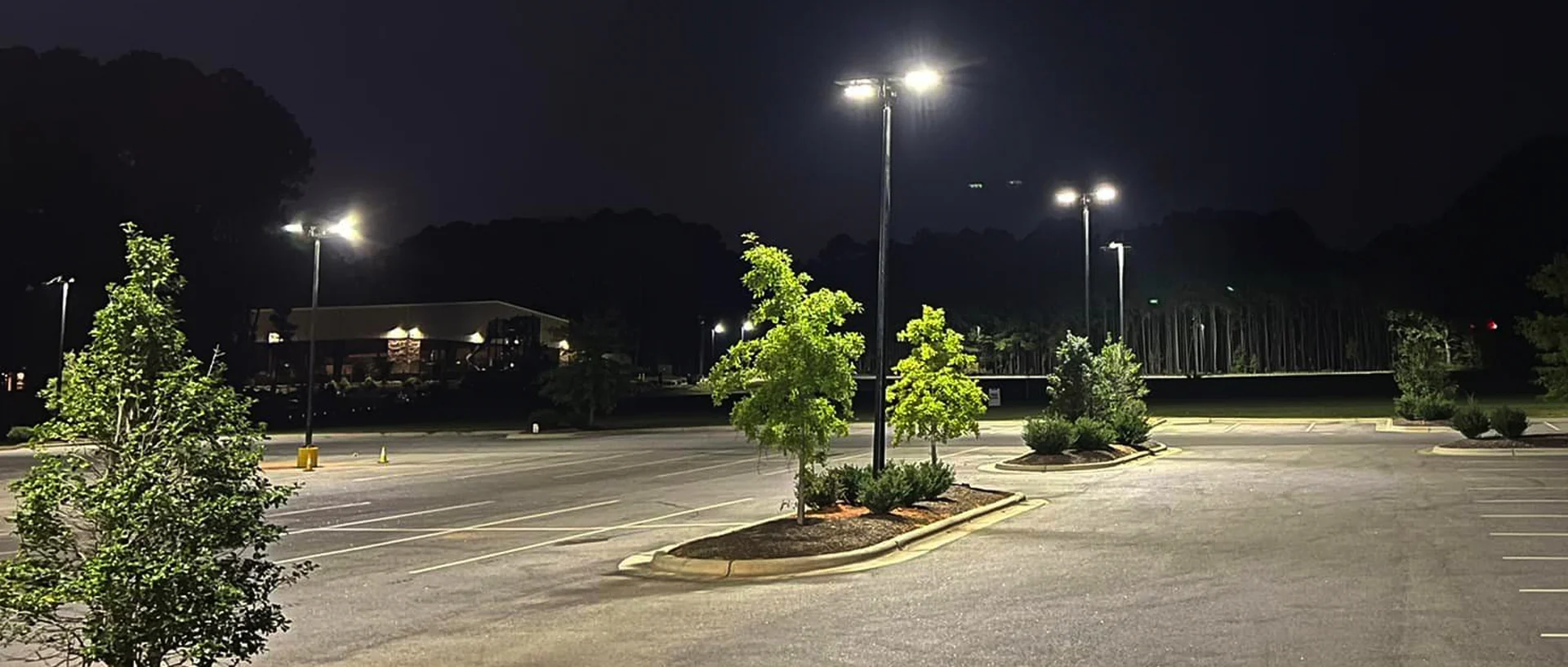
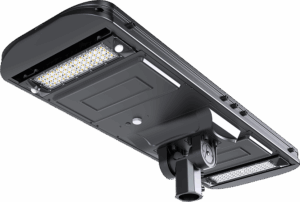
Solar-powered lighting is revolutionizing the way we illuminate homes, streets, and commercial spaces. By converting sunlight into electricity, these systems provide reliable, eco-friendly, and cost-effective illumination without relying on the power grid. From solar street lights and parking lot fixtures to wall-mounted units and integrated solar LEDs, these solutions offer flexibility and efficiency for nearly any environment. Learn more about the latest solar innovations from
Solar Lighting International.
Key Advantages of Using Solar Lights- Environmentally Friendly Solar-powered street lights produce zero emissions and operate entirely on renewable energy. Switching to solar significantly reduces carbon footprints while maintaining dependable brightness.
- Energy Independence Because they’re self-powered, solar street light systems are perfect for off-grid or remote locations and continue operating during power outages.
- Cost Savings Over Time Although installation costs are higher upfront, solar powered lights drastically reduce long-term electricity and maintenance expenses. Durable LiFePO? batteries and LED modules can last from 10 to 25 years.
- Easy and Flexible Installation With no need for trenching or wiring, solar lights can be installed in parking lots, pathways, building exteriors, or public spaces with minimal disruption. Explore flexible design options at Solar Lighting International.
- Safety and Reliability Low-voltage operation minimizes electrical risks, making solar street and pathway lighting safer for homes and communities.
- Smart Technology Integration Modern systems feature sensors, timers, and dimming capabilities to optimize energy use and enhance efficiency.
- Economic and Job Growth The expanding solar industry drives job creation in manufacturing, installation, and maintenance while promoting sustainable development.
- Financial Incentives Government and utility programs often provide tax credits and rebates, making LED street lights more affordable for both residential and commercial projects.
- Higher Initial Investment Quality solar systems require more upfront capital but offer strong long-term returns through reduced energy costs.
- Dependence on Sunlight Limited sunlight can affect performance, particularly in cloudy or shaded areas. Proper placement and adequate battery storage ensure consistent lighting.
- Battery Maintenance Batteries typically last 5–10 years and require periodic replacement to maintain optimal performance.
- Design and Space Limitations Solar panels may impact aesthetics or require additional space, though newer integrated designs blend seamlessly with modern architecture.
- Seasonal and Regional Variability Sunlight exposure varies by location, so system configurations may need adjusting for regions with shorter daylight hours.
Solar powered lighting shares the same sustainable principles as the wider solar energy movement: reducing emissions, lowering operational costs, and supporting global clean-energy goals. Learn more about the advantages and disadvantages of solar power on
Answers.com The Future of Solar Powered LightsAdvances in battery technology, smart controls, and flexible solar panels continue to make solar parking lot lights more efficient and accessible. Cities are integrating solar street lighting into public infrastructure, while businesses adopt off-grid systems to enhance sustainability and resilience. Explore the latest integrated lighting solutions at
Solar Lighting International.
Frequently Asked Questions- What are the main benefits of solar street lights? Solar parking lot lights provide emission-free operation, reduced energy costs, and grid independence. It’s easy to install and requires minimal upkeep.
- Do solar lights work on cloudy days? Yes. Even under overcast conditions, solar panels absorb diffused sunlight. Modern systems offset lower light levels with efficient cells and larger batteries.
- How long do solar lights last? High-quality systems last 10–25 years, with LEDs rated for over 50,000 hours and batteries lasting 5–10 years.
- Can led solar lights operate completely off-grid? Absolutely. Many solar street and area lighting systems are designed for full off-grid functionality, ideal for remote or emergency applications.
- Are incentives available for solar lighting? Yes, many areas offer rebates, grants, and tax credits to encourage solar adoption. Visit Solar Lighting International for details on current programs.
- How do solar parking lot lights benefit commercial properties? Businesses enjoy reduced utility costs, enhanced sustainability credentials, and consistent lighting performance even during grid disruptions.